
Arthroscopic Shoulder Surgery
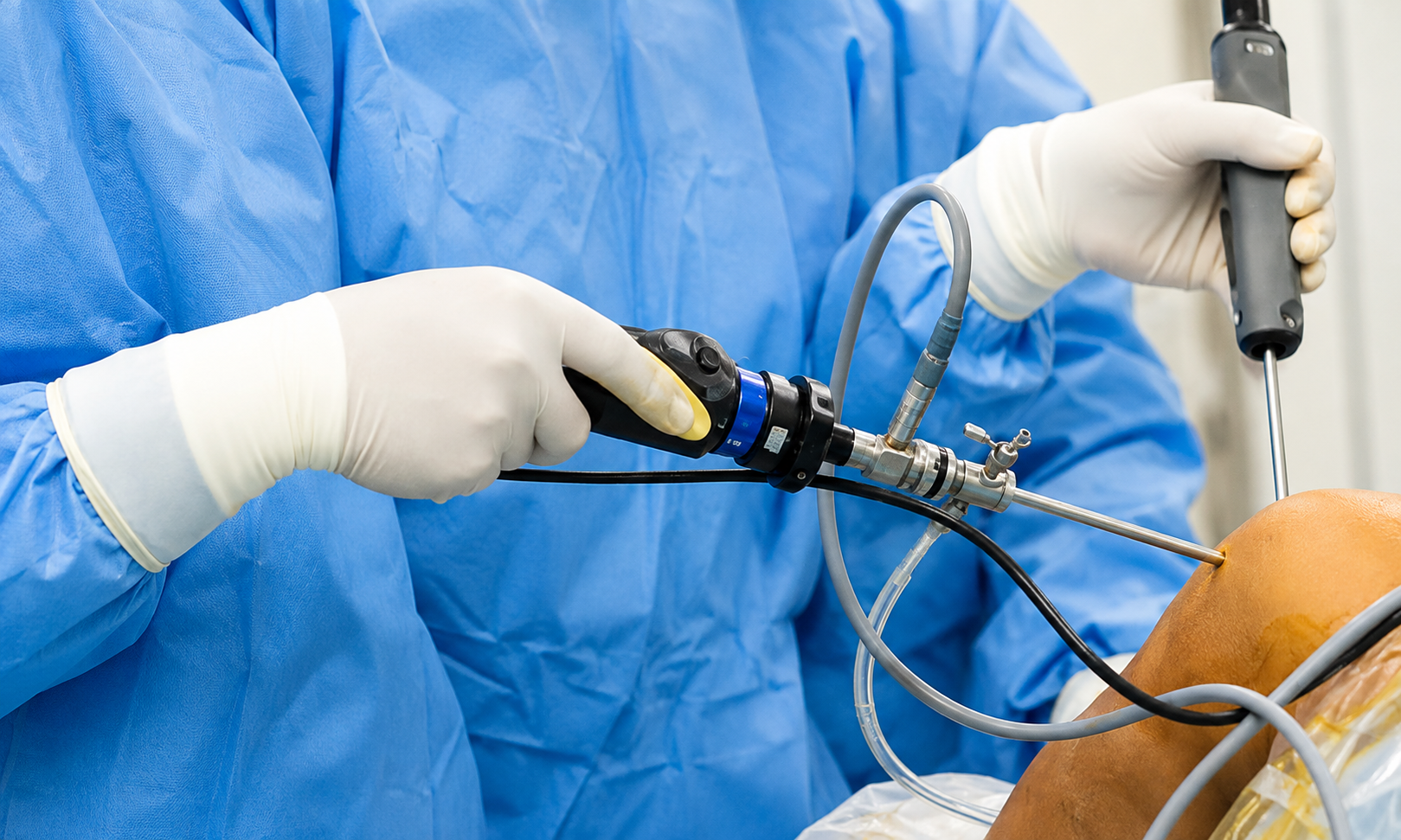
Do you find it painful to lift your arm, reach overhead, or sleep comfortably on one side? When these symptoms continue despite rest, medication or physiotherapy, there may be an underlying structural problem within the joint. Our Arthroscopic Shoulder Surgery in Adyar provides a minimally invasive approach to diagnose and treat selected shoulder conditions through small incisions. Using a specialised camera and precision instruments, the surgeon can directly visualise the internal structure of the shoulder and address problems involving the rotator cuff, labrum, cartilage, tendons, or stabilising tissues. The aim is not just to reduce pain, but to restore shoulder function and help you return to your everyday activities with better movement and confidence.
What Happens Inside a Shoulder During Injury?
The shoulder is a complex joint that's made up of bones, cartilage, tendons, ligaments and muscles. While the rotator cuff is important for controlling movement and providing scapular stability, the labrum is important for shoulder stability and anchoring important structures. Trauma to one of these tissues will impact the normal mechanics of the shoulder. Lifting may result in weakness that is caused by a rotator cuff tear. When the labrum is damaged, it can result in clicking or instability. It can become painful when trying to reach things overhead, and often with repeated dislocations the stabilising structures can become damaged.
Conditions We Treat with Shoulder Arthroscopy
Shoulder arthroscopy may be used to treat any number of conditions involving the stabilising structures, labrum, cartilage or tendons of the joint. There is a procedure recommended based on its cause and severity.Repairing Rotator Cuff Tears to relieve pain, weakness and inability to lift the arm well.Repairing Rotator Cuff Tears to relieve pain, weakness and inability to lift the arm well.
Assessment and management of specific cartilage injuries of the shoulder joint.
How Is the Surgery Performed?
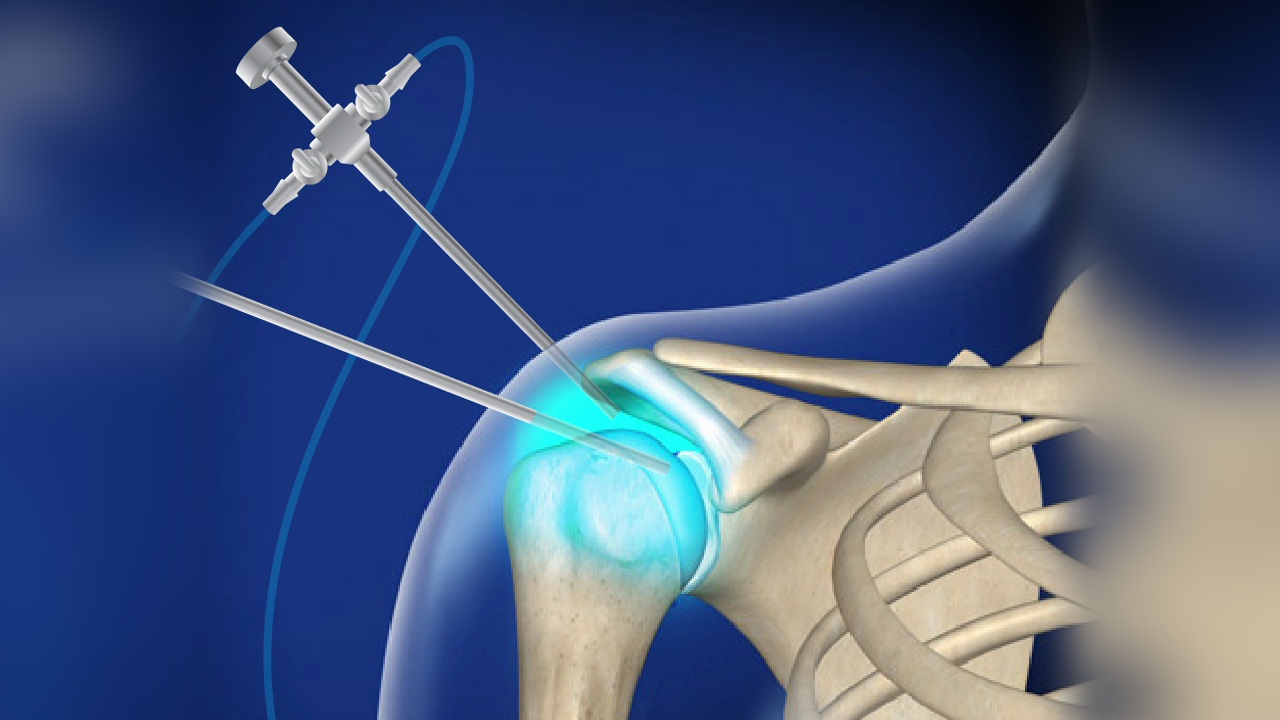
Before surgery, the shoulder is evaluated through a combination of physical examination and appropriate imaging. Once the surgical plan is established, anaesthesia is administered. The surgeon creates small portals around the shoulder. Through one portal, the arthroscope is introduced into the joint. A high-definition camera projects the internal structures onto a monitor, providing detailed visualisation. The exact surgical technique is customised according to the patient's pathology rather than following the same procedure for every shoulder problem.
Our Approach in Steps in Steps
Detailed Evaluation
First, we know and understand your symptoms, medical history, limited movements, weak muscles and limited activities.
Accurate Diagnosis
We determine the underlying shoulder issue based on clinical exam and imaging (X-rays or MRI).
Personalised Surgical Planning
The selection of arthroscopic technique depends on injury severity, the type of structure involved, and your desired function.
Minimally Invasive Procedure
Arthroscopy is performed via small portals where we can see and repair the affected tissues and joints with special instruments.
Structured Rehabilitation
We offer a progressive rehabilitation program following surgery that will work to restore mobility, strength and shoulder stability.
Functional Recovery
A progression plan is in place to get you back to your usual activities, work, exercise, and sports as your shoulder heals.
Why Choose Arthroscopic Treatment? Treatment?
Arthroscopy can also provide a minimally invasive option to treat a number of conditions of the joint and soft tissues when shoulder surgery is necessary. Laptops and a specialised camera enable the surgeon to visualise the affected tissues well and precisely treat the area without causing too much impact on surrounding tissues.
Minimally Invasive Approach
Small incisions minimise soft-tissue disruption.
Clear Joint Visualisation
The arthroscope provides a detailed view of structures inside the shoulder.
Targeted Treatment
Specific problems such as rotator cuff or labral injuries can be addressed during the procedure.
Smaller Incisions
There may be potentially faster early recovery in appropriate patients due to smaller incisions made.
Individual treatment
Surgical technique is due to the individual condition, injury severity and functional requirements.
Rehabilitation Is Part of the Treatment
Successful operation alone is not enough for a successful surgical outcome. The use of physiotherapy is the main key to restoring shoulder mechanics. The programme is tailored based on the surgical procedure, the healing of the tissues, symptoms and the functional objectives.
A rehab programme might consist of:
- Controlled range-of-motion exercises
- Rotator cuff strengthening
- Scapular stabilisation exercises
- Progressive resistance training
- Flexibility exercises
- Functional movement training
- Appropriate sport-specific rehabilitation as needed.
Common questions about robotic joint replacement
Take the Next Step Towards Better Shoulder Movement
Don’t let persistent shoulder pain, weakness, or instability continue to limit your everyday life. Get a detailed evaluation to understand the underlying cause and explore whether Arthroscopic Shoulder Surgery in Adyar is right for you. Book your consultation today and take the first step towards a stronger, more comfortable shoulder.