
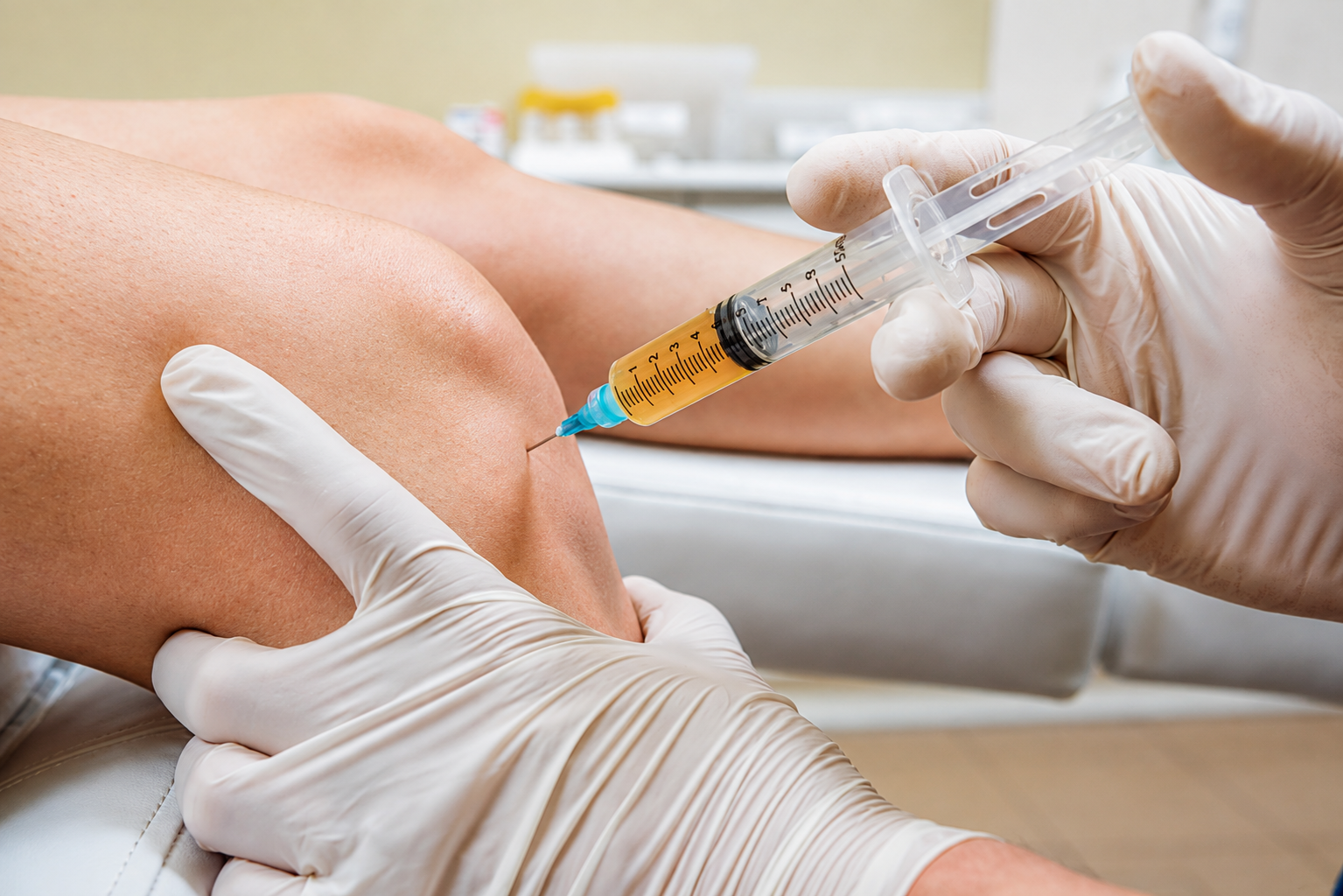
Orthobiologics Treatment
People can experience debilitating pain in their joints; suffer injuries, strains, tears, or tears to their tendons or ligaments; and experience certain bone conditions that make the activity uncomfortable. Medicines and physiotherapy, activity modification or injection are used first in many cases. However, for those requiring extra support in healing the tissue, Orthobiologic Treatment in Adyar may be part of a customisable orthopaedics treatment. Orthobiologics are biological substances employed as an aid to the body's natural healing process. These treatments are applicable to elements such as joints, tendons, ligaments, muscles or bones, depending on the condition. The aim is not only to manage the pain, but to establish an optimal environment that can aid in tissue repair and recovery.
Which Conditions Can Be Considered for Orthobiologics?
Selected musculoskeletal conditions may benefit from orthobiologic therapies, especially if there is compressive conservative therapy. Appropriateness of treatment is dependent on the underlying pathology. Orthobiologics might not be an alternative to an already viable surgical treatment, as may apply to moderate to newer joint wear and tear or for severe structural defects.
They may apply to them for:
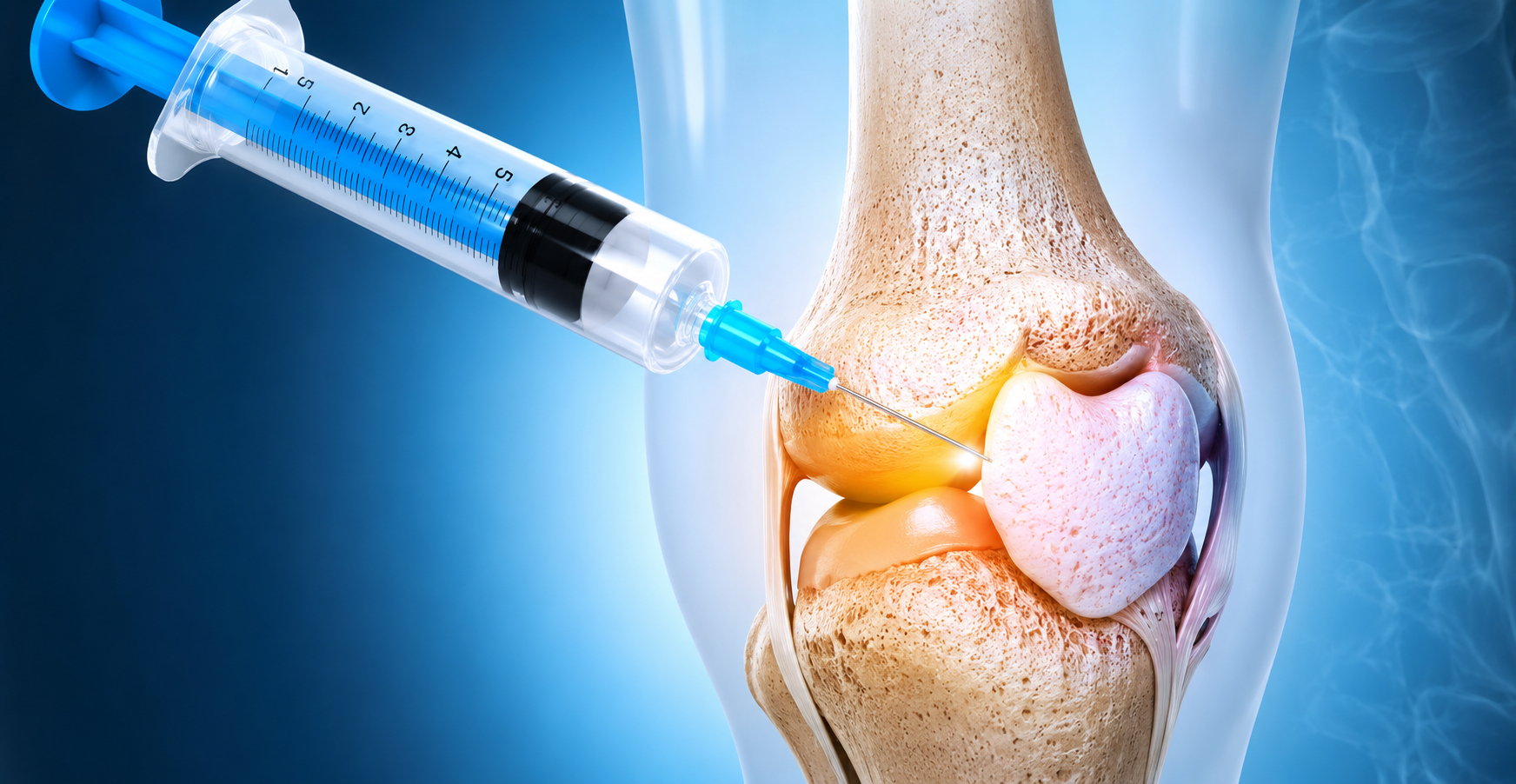
What Is Orthobiologics Treatment?
Orthobiologics Treatment involves the use of biological substances from within the patient's own body or other biological materials to aid healing in musculoskeletal diseases. However, there are several different orthobiologic treatments, some common ones being Platelet-Rich Plasma (PRP) and other regenerative modalities that are chosen based on the patient's condition. The specific treatment plan will be established based upon clinical benefits and the condition that is being treated. Orthobiologics are reserved for a few specific issues in the tendon, ligament, joints and musculoskeletal system.
Why Choose Personalised Orthobiologic Care?
Orthobiologics should not be approached as a generic injection treatment. First, the diagnosis is made, and then the treatment.
Our Approach Includes:
Detailed Clinical Assessment
It is important to get to the source of your pain before you can treat it.
Condition-Specific Planning
The treatment plan is based on your specific joint or tissue issue.
Appropriate Patient Selection
Orthobiologics should only be used when clinically appropriate.
Precise Treatment Delivery
The target area is precisely identified to ensure accurate delivery.
Rehabilitation Guidance
Physiotherapy and activity guidance may be included to assist with functional rehabilitation.
Realistic Treatment Expectations
Facts about potential benefits, limitations, recovery time and alternatives will be provided.
How Is the Right Treatment Selected?
This is where an effective orthopaedic assessment is crucial. Not all treatments can be used by all patients and, as a result, might not be classified as "regenerative" treatments. Applying this evaluation, the doctor can inform the patient if he or she should seek alternative treatment with orthobiologics, what kind of treatment might be available, and the likely prospect of success. The doctor may evaluate the patient's situation before recommending treatment with orthobiologics, including:
The exact location of pain and cause of pain.
Length and intensity of symptoms
The range of movement of the joint and its stability.
Previous injuries or treatments
X-ray, ultrasound, MRI or appropriate testing
Well-being and level of activity
Failure of conservative treatment
Recovery is a process, not just a procedure.
Following joint replacement, rehabilitation plays an important role in restoring strength, mobility and confidence.
- Guided early mobilisation
- Structured physiotherapy
- Progressive strengthening
- Follow-up assessment
Common questions about robotic joint replacement
Explore a Personalised Approach to Joint Recovery
Still struggling with pain despite trying regular treatment? Get your condition properly evaluated and find out whether Orthobiologic Treatment in Adyar can be part of your recovery plan. Book an appointment with our orthopaedic specialist and take the next step towards better movement and function.