
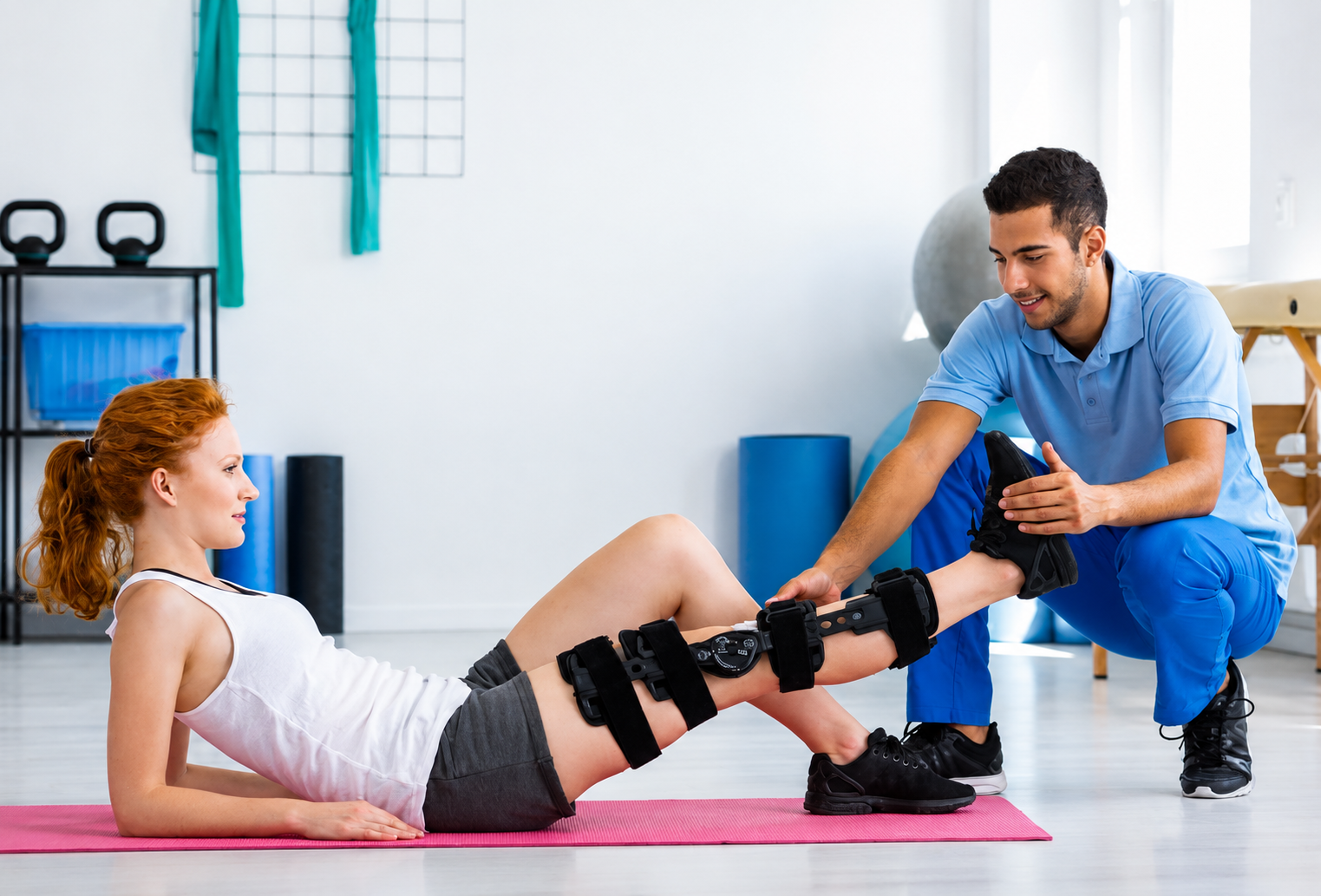
Sports Rehabilitation
Recovering from an injury is not the only aspect of sports rehabilitation. Proper rehab for an athlete, an active lifter or someone who wants to be active is a process that is designed to get them strong, mobile, coordinated, stable and confident enough to participate safely in their sport or physical activity. Muscle and ligament injuries are common at this stage, along with injuries to the joints, and even a change in the mechanics of the movement. Rehabilitation should be undertaken before the athletes are fully fit to return to training, to reduce the likelihood of re-injuring themselves again. Sports Rehabilitation in Adyar offers a progressive and structured approach and focuses on the handling of the injury, functionality restoration and preparation of the body for the physical demands of sport.
Sports Injuries Commonly Treated
There are a variety of acute and overuse sports injuries of various locations for which sports rehabilitation can be helpful. The rehabilitation programme will vary depending on the type of tissue, severity of the injury, the sport, the age of the injury, fitness level and the aims of recovery.
Common conditions include:
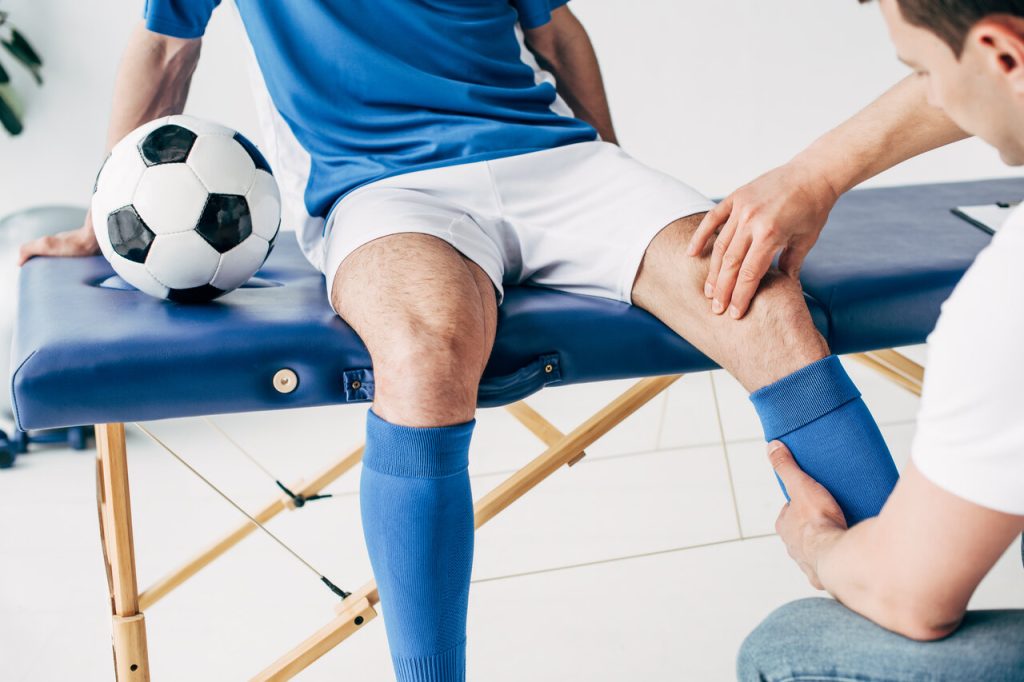
What Is Sports Rehabilitation?
Sports rehabilitation is a specialised aspect of physiotherapy and exercise-based practice to help those who have suffered sports injuries restore their optimal functioning. Manual therapy, therapeutic exercises, neuromuscular exercises, flexibility exercises, strength conditioning, proprioceptive exercises, balance exercises, movement correction, and sport-specific exercise drills are typically used during the rehabilitation process.
How Does Sports Rehabilitation Work?
Initial Assessment
Assesses the severity of pain and injury, mobility of the joints, strength of muscles, flexibility, balance, and movements.
Pain and Swelling Management
Applies effective therapeutic techniques & activity modification to alleviate pain & inflammation of the injured structure.
Mobility Restoration
Improves joint range of motion and muscle flexibility, targeting specific exercises and manual therapy.
Strength and Conditioning
Rebuilds the strength, endurance and function of the muscles through progressive resistance training.
Neuromuscular Training
Enhances coordination, proprioception, balance, joint stability and control over movement.
Functional Training
Explains exercises based on real-life activities and the demands of the athlete's sport.
Why Choose Professional Sports Rehabilitation?
Detailed injury assessment
Knowledge of the true cause and extent of the injury.
Personalised rehabilitation
The exercises are determined based on the individual athlete's needs.
Progressive loading
Slowly intensifying load on tissue based on recovery and functional capacity.
Evidence-based techniques
Clinically appropriate rehabilitation techniques instead of a universal approach.
Sport-specific training
The development of the athlete to perform specific actions required for that sport.
Return to sport guidance
Functional readiness assessment and return to play.
Injury prevention
Addressing weakness, instability, mobility restrictions, and movement deficiencies.
Return-to-Sport Assessment
One of the most important stages of sports rehabilitation is determining whether the athlete is ready to return to competition. Recovery based on just pain reduction might not be sufficient. Also, functional performance should be evaluated. The athlete will slowly return to his or her sport with new strength, control, endurance, and confidence.
The many components of evaluation include:
- Muscle strength comparison
- Joint range of motion
- Single-leg balance
- Functional movement testing
- Hop and landing tests
- Agility and change-of-direction testing
- Dynamic stability assessment
- Sport-specific performance drills
Common questions about robotic joint replacement
Get Back to Your Sport With the Right Rehabilitation
Don't rush your return. Recover with the right plan, rebuild your strength, and get back to the sport you love with confidence. Book a Sports Rehabilitation in Adyar assessment today and take the next step towards better movement and performance.