
Joint Preservation Surgery
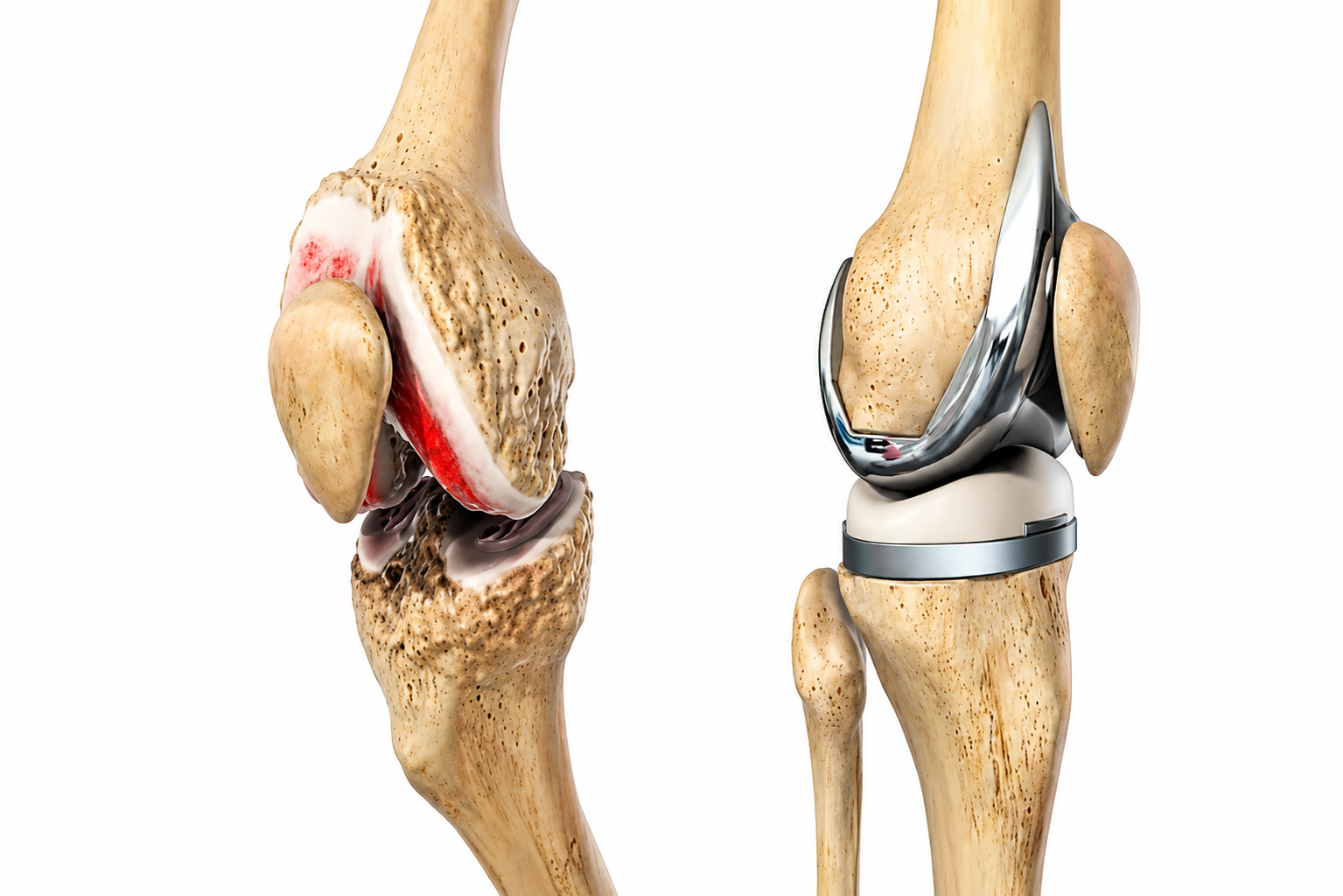
Joint pain doesn't necessarily indicate that joint replacement is the only treatment option. Many patients with early or moderate joint damage may have a window of opportunity to save the natural joint and postpone or prevent replacement surgery. Joint Preservation Surgery in Adyar is directed toward recognising the source of joint damage, then utilising the proper surgical approach to preserve healthy cartilage, straighten the joint axes, restore joint stability and keep normal joint function. It's especially useful in cases of younger, physically fit individuals with the desire to remain active and continue daily activities or sports. Coordinated efforts of joint preservation seek to preserve as much of each patient's anatomy as possible, while fixing the smaller structural issues.
What Is Joint Preservation Surgery?
Joint preservation surgery is a category of treatments that help to preserve and restore a damaged joint before advanced arthritis makes joint replacement surgery a necessity. The treatment is not based on the symptoms but is directed towards the underlying cause of joint deterioration. Treatment can proceed with cartilage restoration, osteotomy, ligament reconstruction, meniscus repair, arthroscopy and correction of abnormal mechanics of the joint, depending on the condition. The goal is to minimise pain, optimise function, provide joint movement and, if possible, halt further degeneration.
Who Can Benefit From Joint Preservation?
Some people may not benefit from joint preservation. It is applied in general when there is enough healthy joint structure left that can be protected and/or restored. It's important to thoroughly evaluate a patient's symptoms and perform imaging to determine if the surgery is the right fit for a patient's case.
Some people who might be considered are those who have:
How Is Joint Preservation Surgery Planned?
The treatment options for joint preservation must be carefully evaluated, as it is important that the correct mechanical or biological problem is corrected. When needed, the evaluation can feature a physical exam, X-rays, MRI and other tests to image the body. The surgeon might evaluate the alignment of the joints, the condition and shape of the cartilage, the stability of the ligaments, the integrity of the meniscus, joint motion, muscle function, and overall movements and forces of the limb. The purpose is to define a treatment plan for each patient presenting with a painful joint, not a standardised treatment plan for all painful joints.
Common Joint Preservation Procedures
Arthroscopy
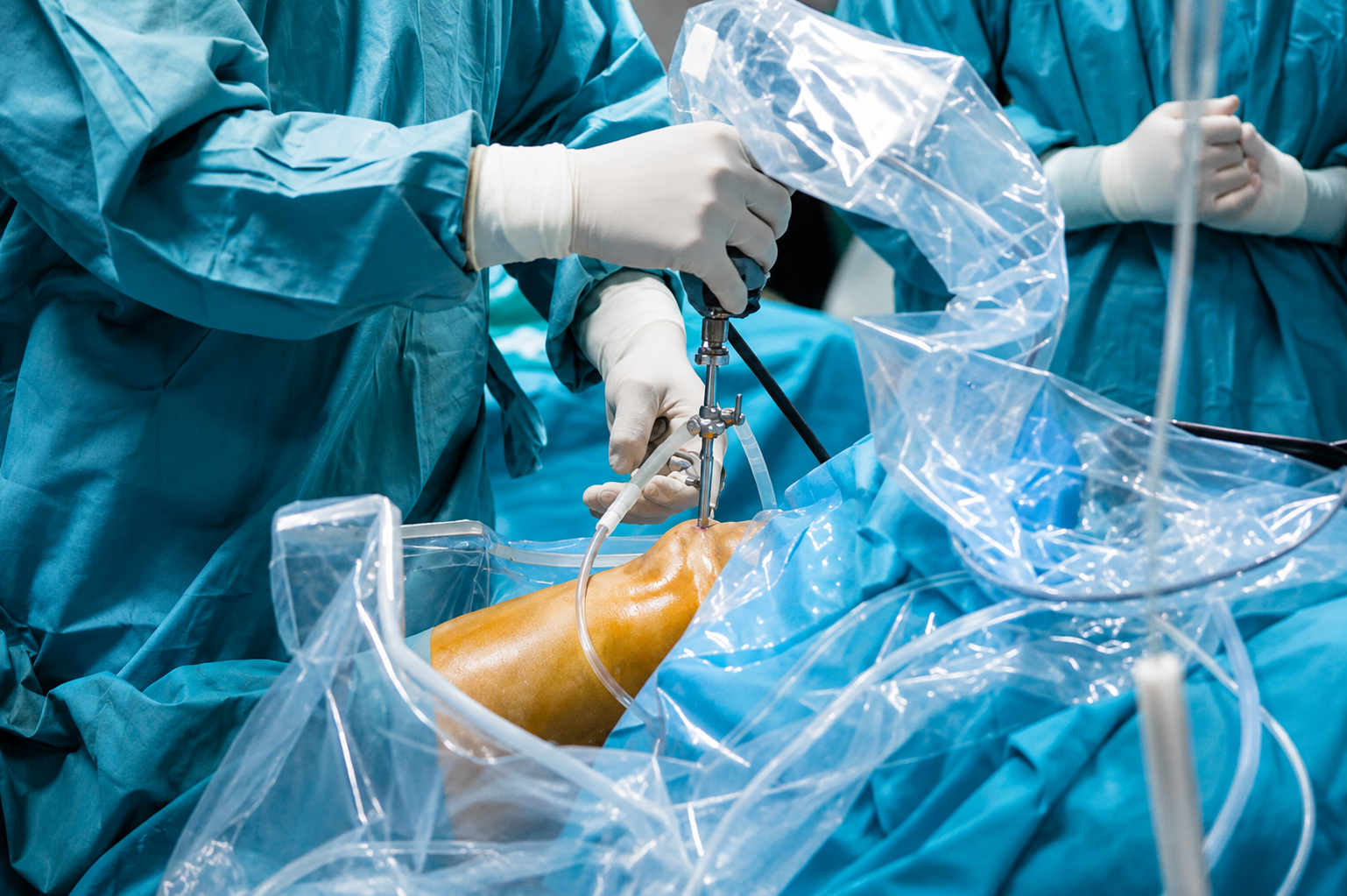
A minimally invasive approach used for diagnosing and treating cartilage, meniscus and other joint issues.
Cartilage Restoration
Strategies to restore or repair damaged cartilage and restore joint function.
Meniscus Repair
Helps maintain the meniscus's shock absorption and stability to help the joint function like a normal knee.
Ligament Reconstruction
Provides joint stability when there is a major injury to a ligament, including an ACL tear.
Osteotomy
Redirects the loading of the bone to take pressure off the injured part of the joint.
From planning to recovery
Your treatment journey involves several stages, from initial consultation and imaging to surgery and rehabilitation.
Consultation
Clinical examination and discussion of your symptoms and goals.
Imaging & Planning
Appropriate X-rays or other imaging are reviewed to understand the joint.
Surgical Procedure
Robotic technology may assist the surgeon during the planned procedure.
Rehabilitation
Physiotherapy and follow-up help support progressive recovery.
Recovery and Rehabilitation
The recovery for joint preservation surgery can be quite different from one surgery to the next. Depending on the procedure, a patient with an arthroscopy might be able to start moving rather early; however, patients with cartilage repair, osteotomy or ligament reconstruction may need longer recovery. Physiotherapy is an important part of the recovery process. Some areas of rehabilitation include:
- Re-establishment of joint motion
- Reducing post-operative swelling
- Improving muscle activation
- Progressive strength training
- Balance and proprioception
- Gait correction
- Functional movement training
- Slow return to sports or activity
Common questions about robotic joint replacement
Protect Your Joint Before the Damage Progresses
If you are experiencing ongoing joint pain or have been diagnosed with early-stage joint damage, an expert evaluation can help determine whether Joint Preservation Surgery in Adyar is suitable for you. Don't wait until joint damage limits your lifestyle. Get your joint evaluated, understand your treatment options, and take the right step towards preserving natural movement for longer.