
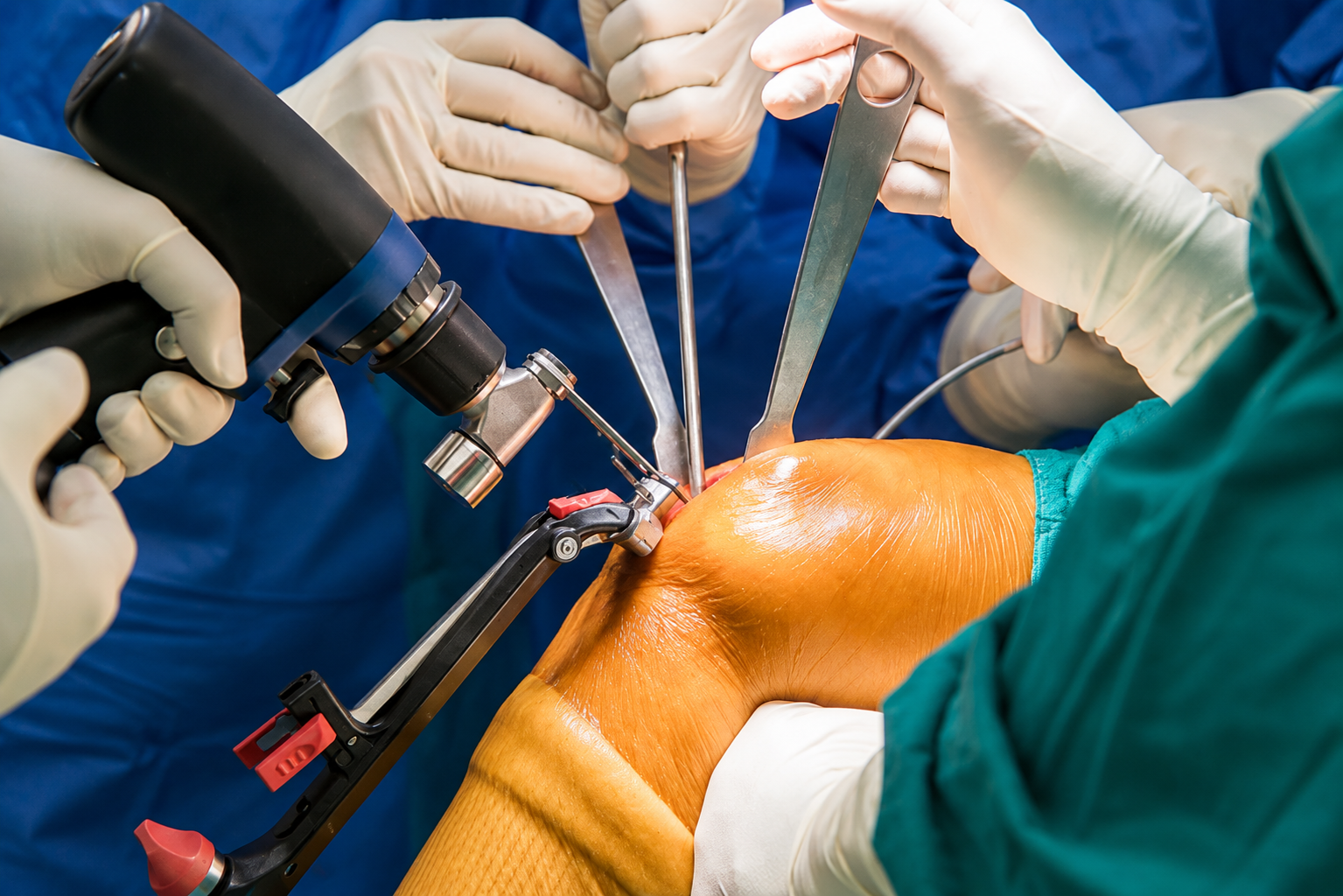
Joint Replacement Surgery
Are persistent joint pain, mechanical stiffness, deformity and reduced range of motion affecting your ability to walk or perform routine activities? When structural joint degeneration reaches an advanced stage, and conservative treatment no longer provides adequate functional improvement, joint replacement surgery may be indicated. Advanced osteoarthritis, cartilage loss, joint-space narrowing, deformity, and progressive stiffness can significantly compromise joint function. Our Joint Replacement Surgery in Adyar may be considered to replace the damaged articular surface with prosthetic components and restore a more stable and functional joint.
When Is Arthroplasty Recommended?
Joint replacement will be performed when there is significant destruction, pain and limited function. Common indications include:
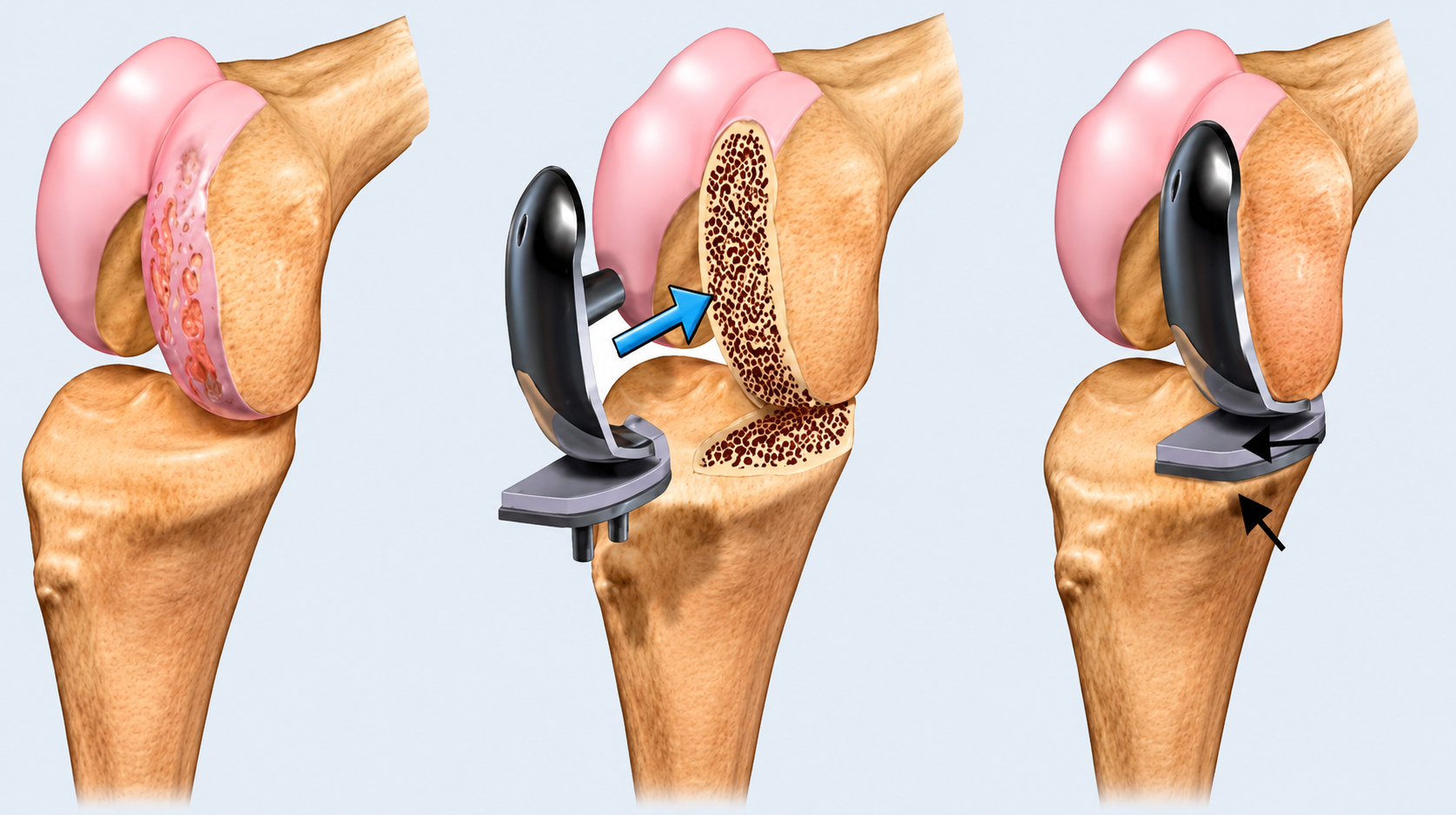
Recovery After Joint Replacement Surgery
Recovery is not over once the surgery is finished. An important part of rehabilitation is to gain strength, flexibility and function in the replaced joint. In most instances, the patient is encouraged to start appropriate movement and physiotherapy soon after surgery. Activities may be a component of the rehabilitation program, which could involve controlled exercises, walking practice, strengthening the muscles to avoid strain and damage, exercising the range of motion and counselling to conduct activities without injury. Recovery time varies from individual to individual. Some patients improve rapidly; others may need more time depending on their other health factors, their muscle strength, the condition of their joints and the time that they spend in rehabilitation.
Why Choose Experienced Orthopaedic Care?
Detailed Evaluation
Accurate Joint Assessment will help to determine the extent of joint damage and what the exact cause was before proposing a surgical treatment.
Individually Tailored Treatment Plans
Treatment is designed based on your age, level of activity, bone state, joint damage and health.
Correct Implant Type and Size Selection
The right implant type & size for your unique joint anatomy and function.
Precision blood work
When a patient's surgical plan and implant placement are precise, it allows for better joint stability and natural movement.
Detailed Recovery Support
A recovery plan after surgery to strengthen, flex, and get moving.
Think Long-Term Function
The objective is to reduce pain and to get you back to a comfortable, functional, and independent life.
Preparation Before Joint Replacement
Preparation can help ensure a smoother recovery and surgical experience. Depending on the patient's medical history, some blood tests, imaging, cardiac evaluation and other tests may be taken prior to the procedure. It's also great to discuss potential problems with the surgical team and prepare a treatment plan.
In addition, they may be offered the following:
Report any medications or medical conditions that may exist.
Aim to keep a healthy weight.
Perform prescribed callisthenics to keep muscles strong
Control diabetes and blood pressure appropriately
Organise for help at home in the early recovery period
Follow instructions on food, medicine and hospital admission
What Are the Benefits of Joint Replacement Surgery?
Joint replacement for patients who have extensive damage to their joints can make a positive difference in their daily lives. The main aim is to decrease pain and enable movement to function properly. The outcome depends on a number of factors, such as the degree of joint damage, the removal of the implant, the use of a new Prolix implant or a structured implant, the patient's health, and rehabilitation.
Potential benefits include the following:
- Considerable decrease in chronic joint pain
- Improved walking ability
- Improved stability and movement of the joints.
- Greater independence in daily activities
- Improved ability to participate in suitable physical activities
- Improved overall well-being.
Common questions about robotic joint replacement
Take the Next Step Towards Better Joint Function
Are you struggling with severe joint pain or difficulty walking despite conservative treatment? Schedule an expert orthopaedic consultation to understand whether Joint Replacement Surgery in Adyar could help restore your mobility and improve your quality of life.