
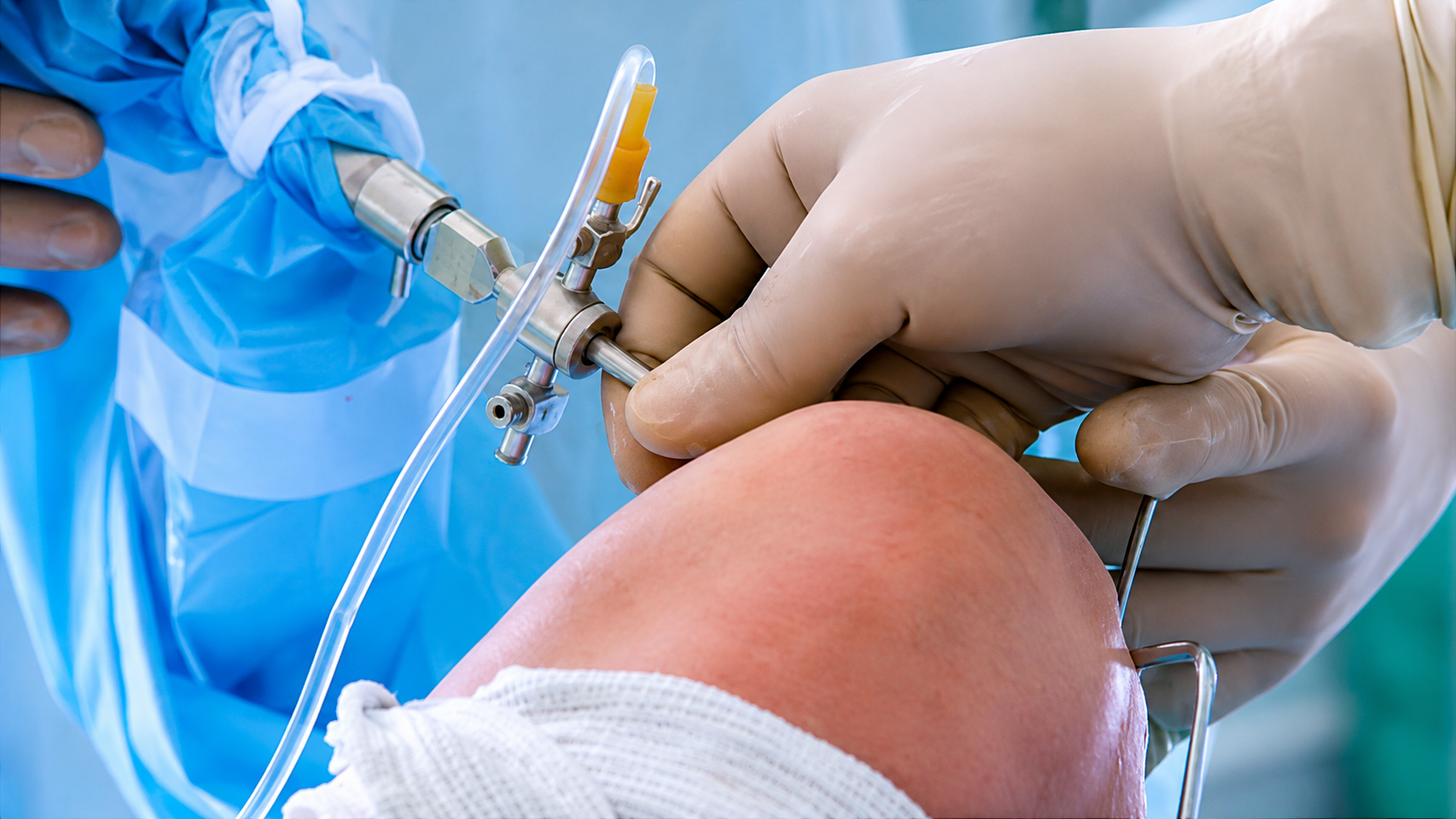
Complex Trauma Surgery
Several accidents, high-impact falls, workplace injuries, and road traffic collisions can cause multiple and complicated injuries involving bones, joints, muscles, ligaments, blood vessels, and surrounding soft tissues. When these injuries cannot be effectively managed through routine fracture treatment, they may require complex trauma surgery. Complex trauma surgery focuses on treating difficult fractures, multiple injuries, open fractures, joint damage, bone loss, and injuries involving challenging anatomical areas. We are a trusted Complex Trauma Surgery in Adyar; our approach is carefully planned according to the injury pattern, the overall health of the patient, and the condition of the surrounding tissues. The objective is to stabilise the injured area, restore alignment and function, protect soft tissues, and support the patient's recovery.
What Is Complex Trauma Surgery?
Complex Trauma Surgery is a special type of orthopaedic surgery for very serious and complex musculoskeletal injuries. A simple fracture doesn't always occur; sometimes the bones are broken into fragments, the bones are highly displaced, there is involvement of the joints, soft tissue damage, risk of an infection, or multiple fractures may occur at the same time. Other injuries may necessitate a series of treatments instead of a single surgery. Initially, the orthopaedic team will aim to reduce swelling, get the injury stabilised and protect the soft tissue, before undertaking the definitive reconstruction.
When Is Complex Trauma Surgery Required?
Not all traumatic injury necessitates a complicated surgery. Depending on the extent, site and nature of the injury, the need for advanced surgical management can arise. Detailed examination and then appropriate imaging are necessary prior to determining the approach to surgery. Children who have experienced complex trauma might be considered for complex trauma treatment if:
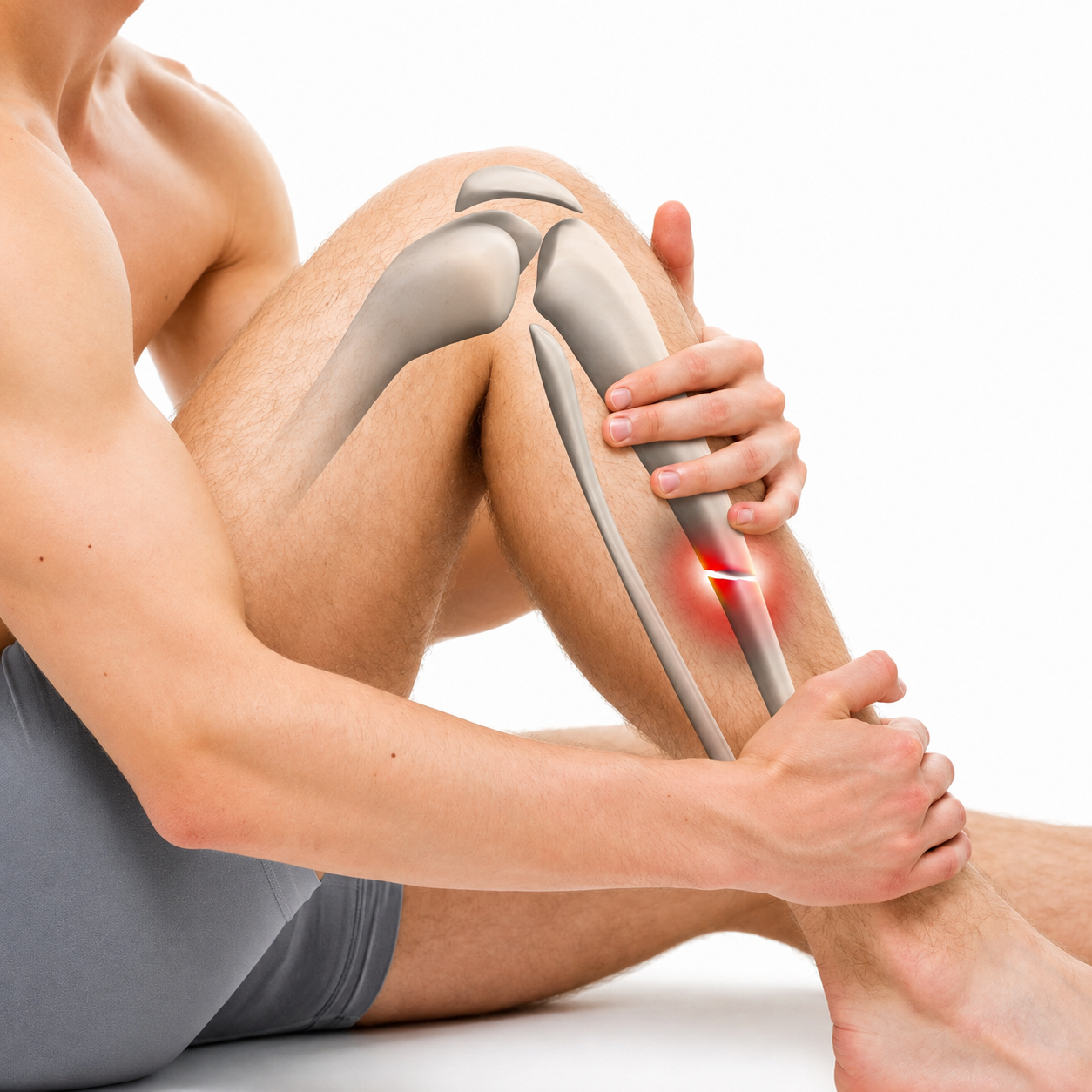
Common Injuries Managed Through Complex Trauma Care
The effects of complex trauma can impact nearly all areas of the musculoskeletal system. In some cases, the anatomy and the functional significance of the injury necessitate especially careful planning, however. They can include fractures that have involved the acetabulum and hip, knee, ankle, shoulder, elbow, wrist and long bones. Since injuries to weight-bearing joints need special attention, the weight-bearing joints should be properly aligned so that it helps in moving the joint in a natural manner and reduces stress on the joint.
How Is Complex Trauma Diagnosed?
One of the most critical aspects of complex trauma management is accurate diagnosis. Not only the fracture but also the surrounding tissue and the physical condition of the patient will be appraised by the surgeon. The information derived will allow the surgeon to properly determine the total injury pattern and determine an optimal treatment approach.
The evaluation for diagnosis will consist of:
Assessment of injured joint or limb by inspection.
X-ray to determine fracture location and alignment.
Detailed evaluation of complex or joint-involving fractures by CT scan.
In certain cases involving soft tissue or ligament injuries, MRI is used.
Assessment of blood circulation and nerve function
Evaluation of wounds and soft-tissue damage
Recovery and Rehabilitation After Complex Trauma Surgery
Compared to recovery from a simple fracture, recovery after complex trauma surgery may take longer. This takes into account the extent of an injury, surgical procedure, bone healing, soft tissue condition and the overall patient health. The patient may need to have limited weight bearing or controlled movements of the affected limb for a period of time following surgery. Follow-up appointments and imaging might be necessary to check healing of the bone and see if any complications arise early on. The physiotherapy is gently commenced on an individual basis as directed by the surgeon. The treatment and rehabilitation can be targeted at:
Restoring joint movement
Improving muscle strength
Reducing stiffness
Safe walking and weight bearing.
Enhancing balance and co-ordination skills
Slowly getting used to getting up and about again
Recovery is a process, not just a procedure.
Following joint replacement, rehabilitation plays an important role in restoring strength, mobility and confidence.
- Guided early mobilisation
- Structured physiotherapy
- Progressive strengthening
- Follow-up assessment
Common questions about robotic joint replacement
Get Expert Evaluation for Complex Trauma
A complex injury can affect your mobility and everyday independence if it is not treated appropriately. With specialised assessment, precise surgical planning, and structured rehabilitation, the focus is on helping you regain stability and function. Book an expert Complex Trauma Surgery in Adyar today and get a treatment plan tailored to your injury.